Benefits of yoga for seniors

As the body ages, there are many physiological and psychological changes.  Some changes are primary (changes we all experience), and some are secondary changes (changes due to disease or injury).

Yoga has evidence based proven history of being able to support the person thorough this life stage and to remain as independent as possible. Regular yoga practice gives us optimum level of health and reduces recovery time from injury and operation.

Many older people are coming to yoga for the first time, with several pre-existing medical conditions and some with preconceived ideas about yoga being a physical activity only.

Yoga aims to unite mind, body & spirit. It is a complex system including poses, breathing practices, relaxation, and mediation. Each of these has different effect and in combination they are powerful.

“A comprehensive review led by Chief Medical Officer, Professor Michael Kidd AO, the Natural Therapies Review recommended the reinstatement of yoga and some other modalities to be covered under private health insurance, effective from 1 July 2025.

The evidence review by the expert advisory panel found moderate certainty that yoga:

  • Reduces systolic and diastolic blood pressure in people with hypertension.
  • Enhances emotional wellbeing in those with anxiety.
  • Eases depressive symptoms.
  • Improves quality of life for people with low back pain.

The panel also found less certain but still significant evidence for the benefit of yoga with conditions including: Neck pain, insomnia and sleep disorders, headache (including migraine), PTSD, chronic pain, hypertension, asthma, menopausal symptoms, osteoarthritis and rheumatoid arthritis, and premenstrual syndrome.” (1)

How is yoga for seniors differ from younger cohort?

  • Longer warm to mobilize the muscles, joints, to increase blood flow,
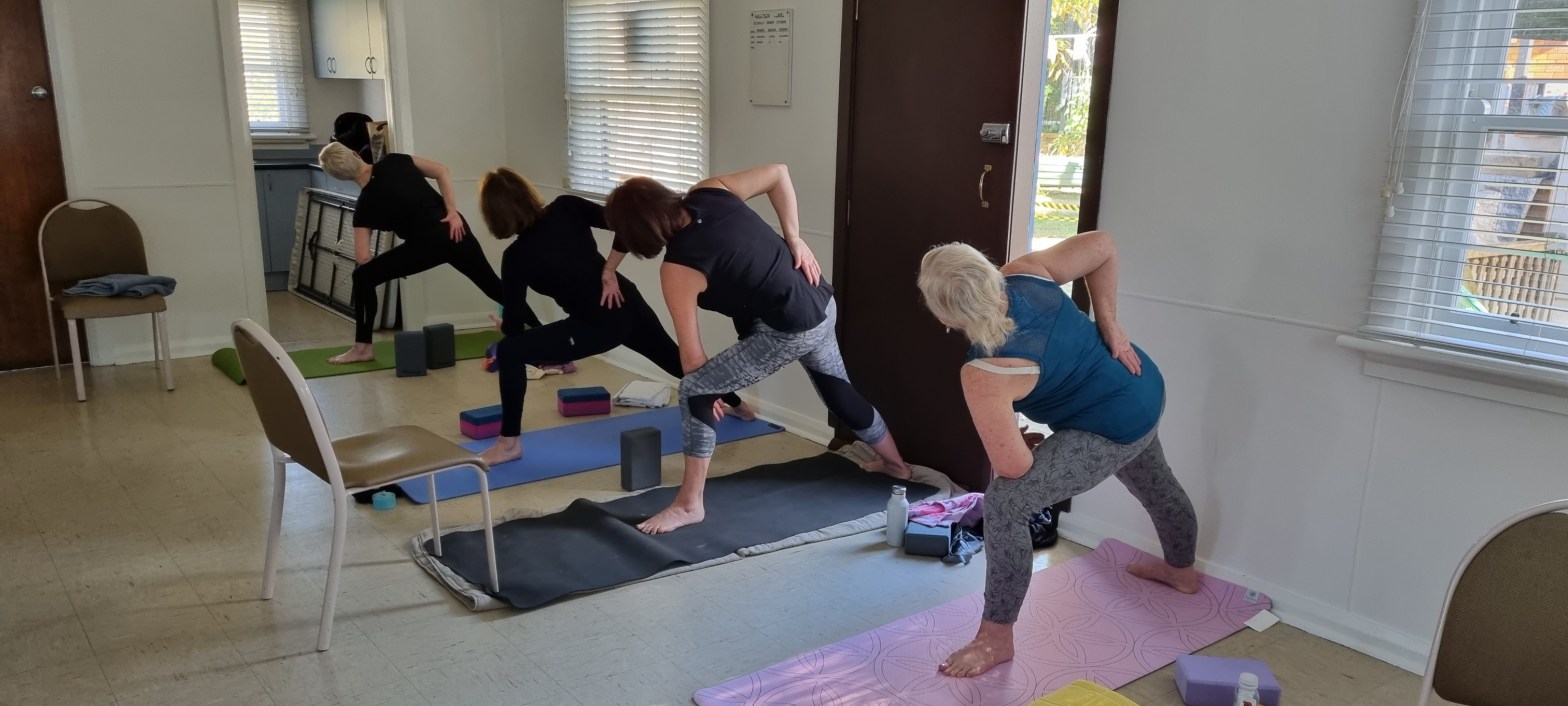
  • Using props more often (i.e. chair yoga),
  • Balancing poses for fall prevention (strengthening the legs),
  • Classes go a bit slower, rest as you need,
  • The aim is to increase body awareness and to encourage ‘students’ to learn poses which they can safely practice at home.

(1) Reference to Yoga Australia.

5 tips to avoid eye strain

Many who are working or studying spend a lot of time staring at laptops or other devices all day. These new ways of working & living can take a toll on our eyes causing blurry vision, headaches and eye strain.

Below are some tips to keep your eyes healthy. It is an extract from Lindy’s blog @ https://theeyescene.com.au

5 tips to avoid Lockdown eye train


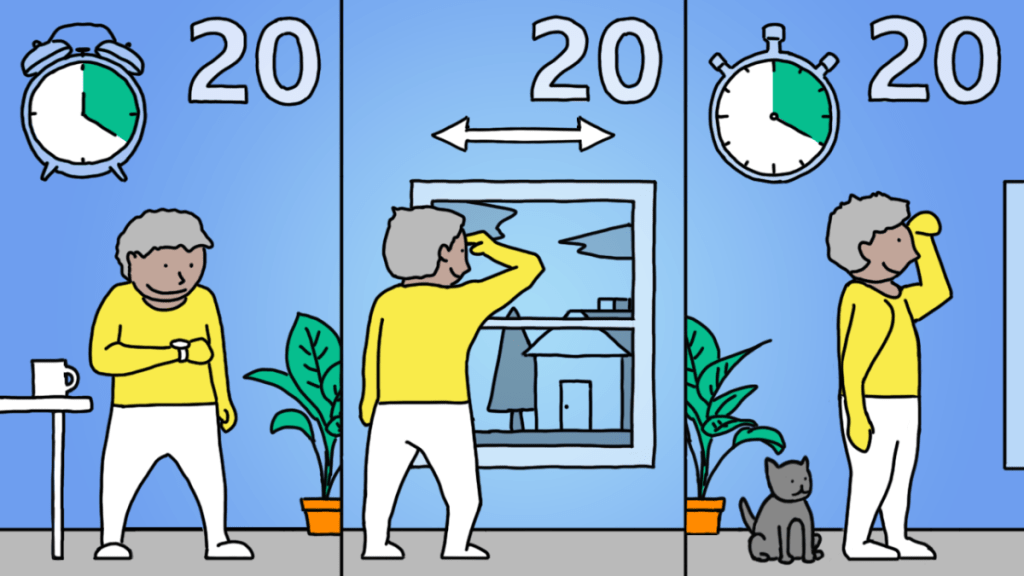
20-20-20 Rule: every 20 minutes, look at something at least 20 feet (6m) away, for 20 seconds.
Think Blinking: We blink less often when reading from a screen, this can cause dry and irritated eyes.
Screen Set-up: Your screen should be between 40 and 75cm away from your face. Ideally your eyes should also be in slight downgaze. And don’t forget to minimise glare and reflections on your computer screen.
Bigger text: Make sure the font is not too small for sustained reading and the brightness level is appropriate for the surrounding light.
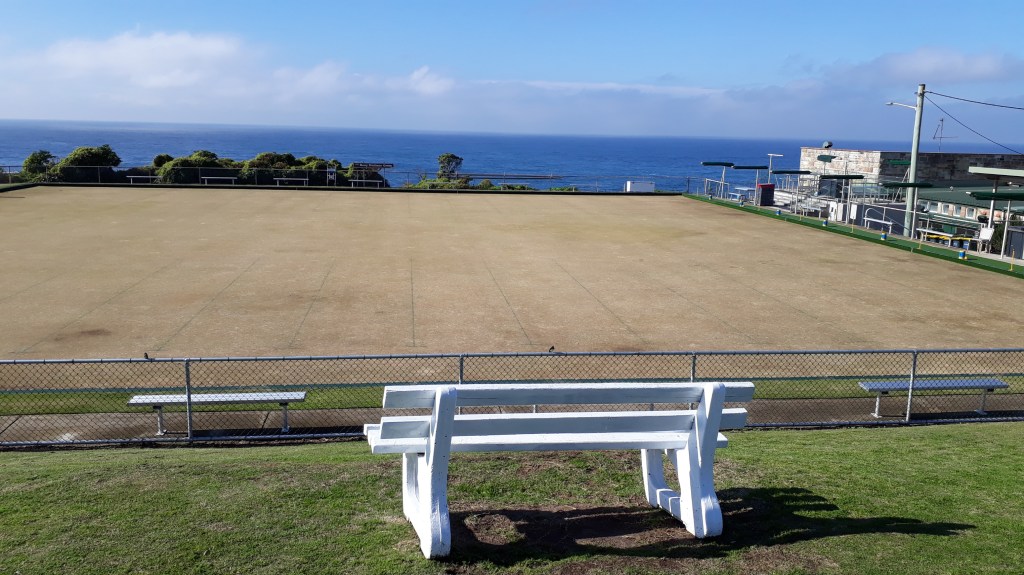
Get Outdoors: Take regular breaks and stretch those eyes out by looking at objects in the distance.

Coastal walk is a good way to look into distance and contemplate

Note: if you are suffering from eyestrain it is recommend you have an examination with an optometrists.

Relaxing with ‘legs up the wall’

With the geopolitical uncertainities never been a better time to learn to relax.

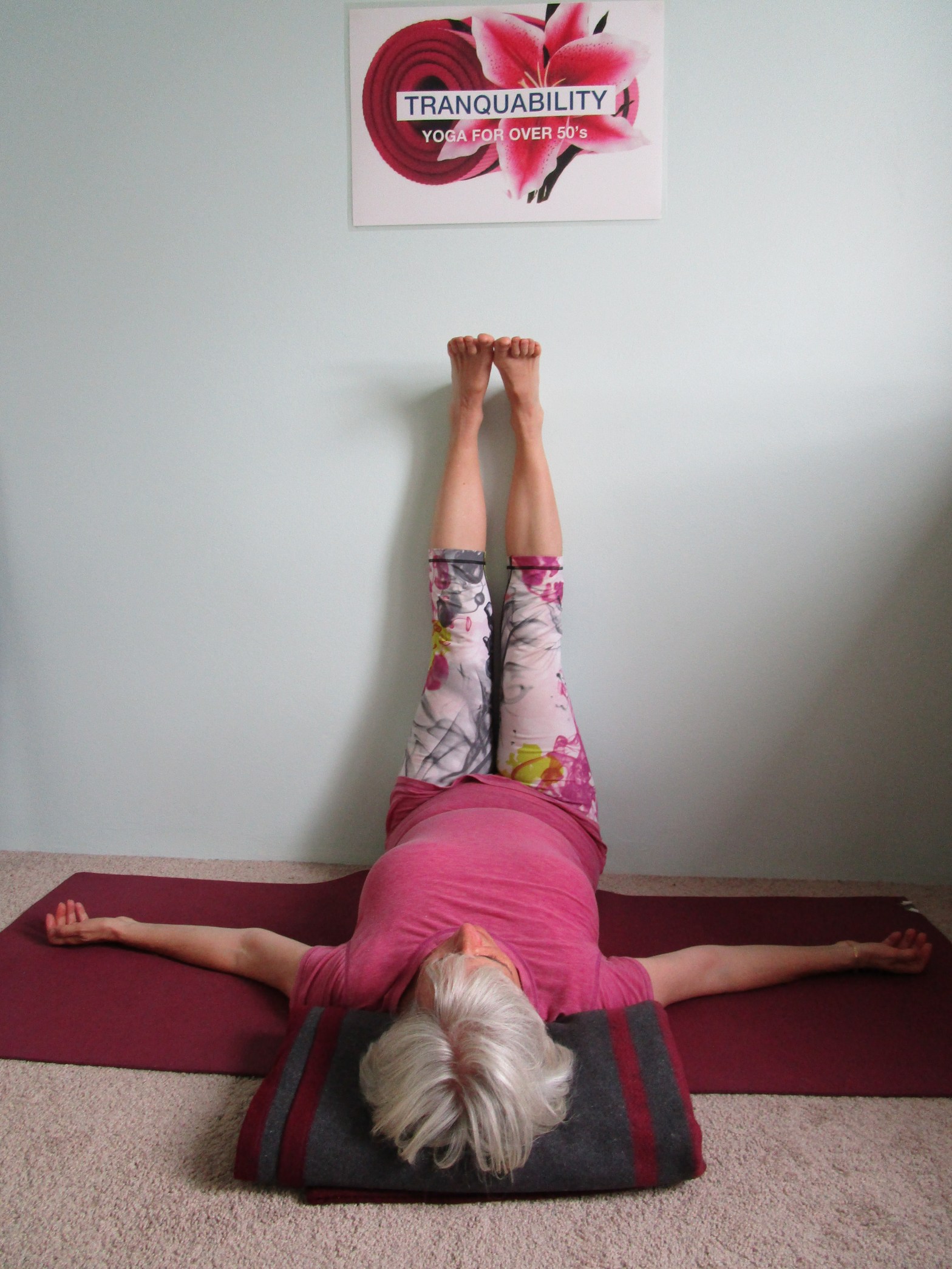
Did you know that putting your legs up the wall for a few minutes is a powerful and restorative pose?

It helps with sending blood flow to your core, eases stress, helps you sleep, calms your nerves, relieves swollen ankles, relieves varicose veins, relieves headaches, and improves digestion.

This powerful, yet incredibly simple to do restorative pose is beneficial to the health of your heart. It gives your heart a rest so it doesn’t have to pump as hard and helps to slow down your heart rate. The ‘legs up the wall’ pose will leave you feel relaxed with a calmer mind.

I practice this pose when I am tired and still have a lot to do.  This my ‘go to pose’ at night before going to bed. It helps me sleep well. The ‘legs up the wall’ is recommended for people with insomnia.

Spend five minutes with your ‘legs up the wall’ and notice the natural rhythm of your breath and see what happens. Try increasing the time gradually. Twenty minutes of restorative yoga a day will make the world a better place!

Enjoy it!

Meditation minimizes melt down

What is meditation?

Meditation (the uninterrupted flow of concentration or one pointed attention) is the seventh limb, or stage, of the eight limbs of yoga.  The eight limbs represent the students’ life journey through yoga in order to reach Samadhi where the Individual spirit is liberated and joins the Universal spirit. 

Yoga is a spiritual practice and meditation, just like the poses, is learnt skill.

There are several types of meditations to choose from such as: Mindfulness, Japa, Walking, Metta (Loving kindness), Kundalini, Guided meditations, Chakra meditation – to name a few.

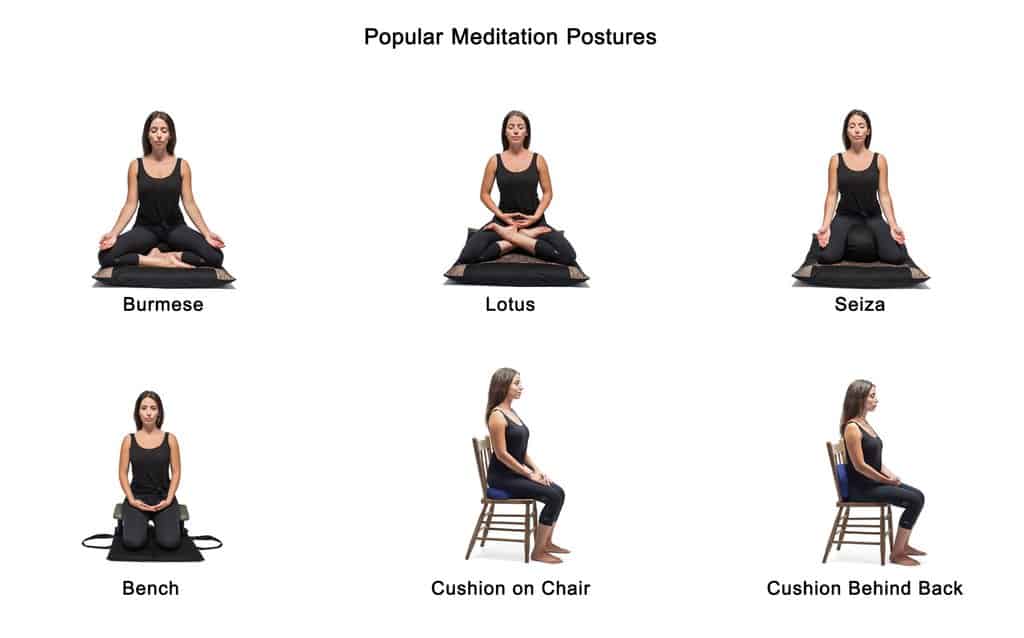
Usually it is practiced in a seated position (see chart below) but walking meditation is just as good.

What are the benefits of meditation?

There are numerous benefits of meditating regularly. It helps us to live our lives better, it lowers stress levels, increases wellbeing, reduces blood pressure, improves our health and it assists with self-realisation.

Meditation helps to even out the ups and downs of life, minimizes meltdowns.

Note: meditation might not suit people with mental health challenges.

How to start meditating?

Unless you prepare the body for meditation you will not be able to sit comfortably.

Try the following stretches with breath awareness:

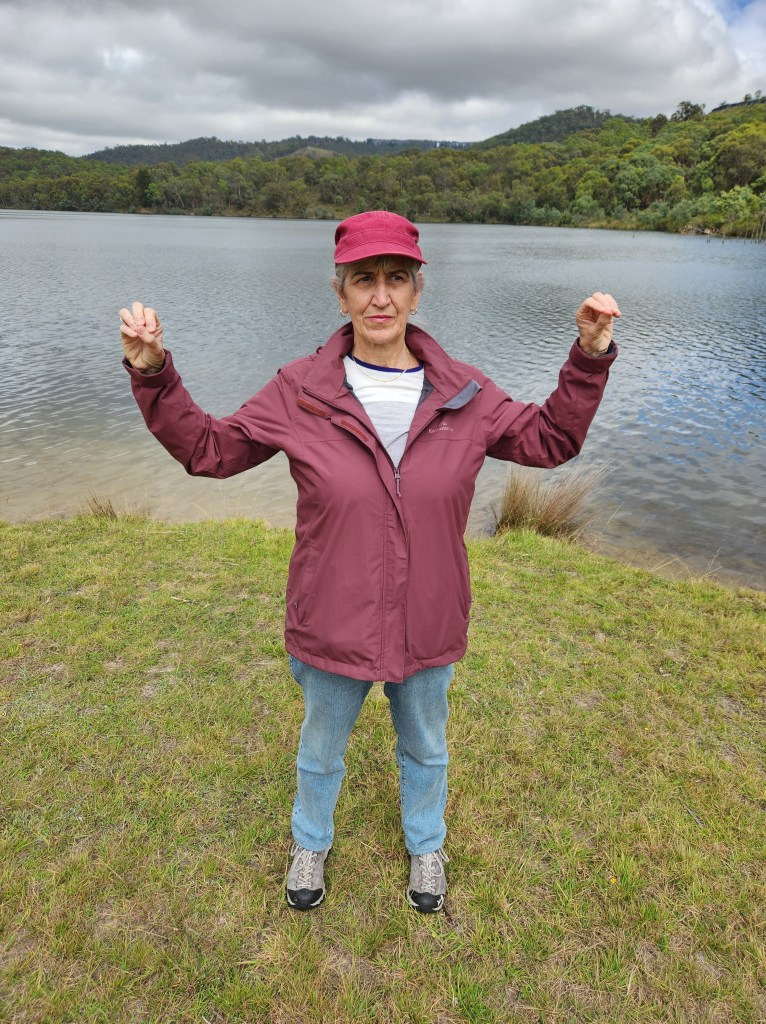
  • Stand tall in the mountain pose: inhale raise the arms as high as you can comfortable then exhale lower the arms;
  • Stand tall in the mountain pose: inhale raise arms above the head and come up on your toes;
  • Stand tall, inhale raise the arms and exhale, pivoting from your hips bend forward. 
  • Do some twists of the spine, either standing or sitting.

When you are ready to start meditating find a quiet spot, be warm.  A symmetrical seated pose is recommended as the spine is elongated, lungs can work efficiently, the energy rises in the body.  Have support under your knees and hands. Please note my main photo is is taken in Bhutan and it is more about the landscape than sustainable posture for meditation.

If you choose walking meditation find a familiar area, beach or grass in your backyard or local park. Set a reminder (say five or ten minutes) and when that time is up start walking back to your starting point.

If laying down one might fall asleep – which is also beneficial but is is called a nap not meditation :).

In yoga, unless the nose is blocked, we inhale and exhale through the nostrils. 

Once you are seated and comfortable start observing your breath, the length of your inhalation and exhalation.  Try to count for four as you inhale and for four as you exhale.  If you have some experience in Breath Control (Pranayama) you might add pauses after the inhalation and after the exhalation, so your count will be 4:4:4:4.

During meditation:

Accept that it is hard to steady the mind.  Meditation is going inwards, might not be pleasant.  It is self-discovery.  Keep your attention your breath. 

In Meditation you remain in the Waking state of consciousness (low frequency Beta and Alpha brain wave patterns) and gently focus the mind while allowing thought patterns, emotions, sensations and images to arise and go on.  Gradually allowing the layers of the unconscious and subconscious to come forward, expanding the Waking state with one-pointed concentration and non-attachment to the streams of impressions flowing, visualization, memory, learning and concentration in the field of mind. 

If your mind was wondering during meditation, it does not mean that you had a bad meditation. 

What is stopping you from meditating?

A lot of people think they do not have the time or place to meditate, or it is too hard.  Initially start with five or ten minutes per day and gradually increase the time to 20 minutes.

You might want to try some guided mediations (apps) to start it.

Enjoy the inner piece and the process of quieting the busy, chattering mind.

AUM

Yoga anywhere

My students travel a fair bit or sit in an office. It is important to stretch after long periods of sitting.

Some of the benefits of yoga are that you can do it anywhere, start at any age or can take it up again at any age. Regular practice gives us the optimal health.

As a teacher my aim is to help my students to build up their own ‘yogic toolbox’ (based on their pre existing medical conditions) and to modify the poses as needed on any given day.

Below I included my favourite poses for warm ups which can be a gentle practice. The photos were taken on a recent holiday, on a bit slopy ground.

Neck:

Keep your chin parallel to the ground, turn your head to one side on exhalation, back to the centre as you inhale. On the next exhalation turn to the other side. Do 3-4 cycles.

Once finished roll your shoulder backwards to open the chest and to loosen the shuolders.

Hands (fingers and wrists):

Spread your fingers then bring the fingertips together. Repeat this cycle a few times. It helps with the management of arthritis.

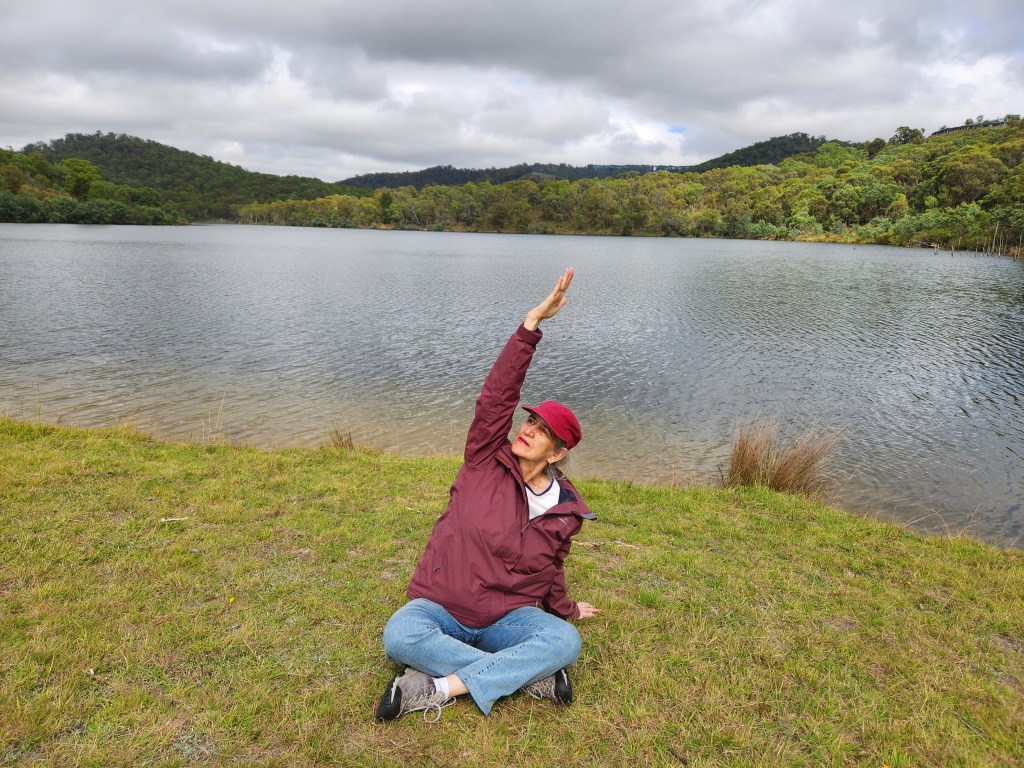
Side openings:

This pose can be doen either sitting or standing. Try to keep equal weight in your sitting bones and in your legs if you are standing. You can turn the head to look up to your thumb or just look forward.

Hips: raising the leg and forward bend

For the psoe on the left keep your hands on your hips and concentrate on raising the leg without rolling to one side. Rotate the ankle, 4 times to one direction then to the other.

If you sitting in easy cross legged position note which shin is at the front. Sit up tall and on an inhalation raise your arms beyond your head. As you exhale, pivoting the hips – go forward. Be on your fingertips, try to keep the chest open and the back straight.

Backbend (bridge):

Start with laying on your back with bent legs, feet hip widths apart. Lengthen the back of your neck, slightly tuck your chin in.

As you inhale lengthen lift your hips and take the tailbone towards your heels to lengthen the lower back. Once your up please don’t turn your head. Come down on an exhalation. Do a few cycles of going up and coming down. Then, if you wish hold the pose for a few cycles of your breath.

Once you are down, allow the spine to rest then gently bend the knees onto the chest do a few small circles with your legs.

Twist:

Twists generate heat and apart from creating space between the vertebraes they improve the immune system.

Twits are very versatile, they can be done sitting on a chair, sitting on a floor or laying down.

Relaxation:

Every practice need to have a bit relaxation to allow the body to fully absorb the practice.

Be in a symmetrical, confortable positon, allow the legs to roll out.

Enjoy your travels and include some yoga – which can be done anywhere!

What a pain in the… back … and how to manage it!

In a world where we spend so much of our time sitting at a desk, in the car or on the couch, it’s no wonder most of us experience some kind of non-specific musculoskeletal pain at some point.  As Yoga teacher, I hear a lot of complaints of pain and in particular, chronic low back pain.

Just a fact: I have over 30 years of experience in managing my own back problem.

Continue reading “What a pain in the… back … and how to manage it!”

Trimming down with yoga

With the Festive Season behind us we might notice that our waistline has expanded. If one of your New Year’s resolution is to improve your health please read on :)!

As we age it easier to put on weight, the metabolism slows down so we need to watch the energy intake and output more closely.  Hormones also affect how and where we store fat on our body.

My aim is to show you a variety of poses which lengthen the spine and make you move around the waist.

Continue reading “Trimming down with yoga”