

Diabetes statistics in Australia
It’s estimated that around 1.9 million Australians (about 5.5% of the population) are living with all types of diabetes. Worryingly, up to 500,000 people living with silent, undiagnosed type 2 diagnosis (ref Diabetes Australia).
If left unmanaged, diabetes can lead to blindness, amputation, kidney failure, heart attack and stroke.
There is evidence that lifestyle changes (diet and exercise especially) reduce the effect of this progressive disease.
What is diabetes?
Diabetes is a condition where there is TOO MUCH GLUCOSE (a type of sugar) in your blood. Glucose is our main source of energy. We get glucose from foods containing carbohydrate like bread, pasta, rice, cereals, fruits, starchy vegetables, milk, yoghurt, and sweets.
Blood glucose levels are controlled by INSULIN, a hormone produced in the pancreas. As glucose enters your bloodstream, the pancreas releases more insulin.
Insulin helps glucose to move from the bloodstream into your cells (such as muscle cells), where it is used for energy.
Generally, people develop diabetes due to:
- The body becoming less sensitive to the effect of insulin (known as insulin resistance) or
- The pancreas not making enough (or any) insulin;
- Family history.
- Sedentary lifestyle and eating too much with preservatives.
Main types of diabetes:
Type 1 diabetes is an autoimmune disease which occurs when the pancreas does not produce insulin, it is approx. 15% of all diabetes cases.
Type 2 diabetes occurs when the body becomes resistant to the normal effects of insulin and/or gradually loses the capacity to produce enough insulin. Type 2 diabetes is approx. 85% of the total.
Gestational diabetes in pregnancy, it is increasing.
How is diabetes diagnosed?
Health care professionals can use the Hb1c1c blood test alone or in combination with other diabetes tests (i.e. FBSL Fasting Blood Sugar Level) to diagnose type 2 diabetes and prediabetes.
In Australia, 48 mmol/mol or 6.5% (Hb1c) is the diagnostic cut off for diabetes. Lower reading doesn’t exclude diabetes! Ref to Douglass Hanly Moir Pathology.
Management of diabetes
The treatment for diabetes must be planned for the individual so have a plan and a team to assist you.
Lifestyle changes (modify your diet, reduce carbohydrate intake, do more exercise, reduce body weight by 5-10%, try to reduce stress).
Go for regular (annual) check-ups with your team of professionals and/or any time you notice a change.
Do not eat big meals in the evening.
Only eat when hungry.
Sleep well, establish a routine when go to bed and when to get up. Switch off computer, TV or mobile an hour before going to bed.
Medication – for more information refer to https://www.diabetesaustralia.com.au/managing-diabetes/medicines/
Benefits of regular exercise:
Helps insulin work more efficiently.
Maintains or achieves a healthy body composition.
Lowers blood pressure / reduces risk of heart disease.
Reduces stress.
Increases energy levels.
Enhances mood.
Improves immunity.
Improves sleep.
How much exercise we need to do?
18 to 64
Accumulate 150 to 300 minutes (2 ½ to 5 hours) of moderate intensity physical activity or 75 to 150 minutes (1 ¼ to 2 ½ hours) of vigorous intensity physical activity each week, or an equivalent combination of both moderate and vigorous activities. Do muscle strengthening activities on at least 2 days each week.
Over 65’s
Accumulate at least 30 minutes of moderate intensity physical activity on most, preferably all, days.
Yoga to manage diabetes:
Slow and mindful Sun Salutations.
Yogic breathing. Notice how your abdominal rises as you inhale and how your abdominal falls as you exhale. Your ribcage expands, your diaphragm moves and massages your pancreas. Move with your breath.
Have a rest when you need to.
Aim to have a general practice which includes poses from each group: inverted poses, spinal twists, stretches, strengthening poses.
Do not do backbends before going to bed as they are energizing, do restorative poses instead (i.e. resting the forehead on a chair or resting the calves on a chair).
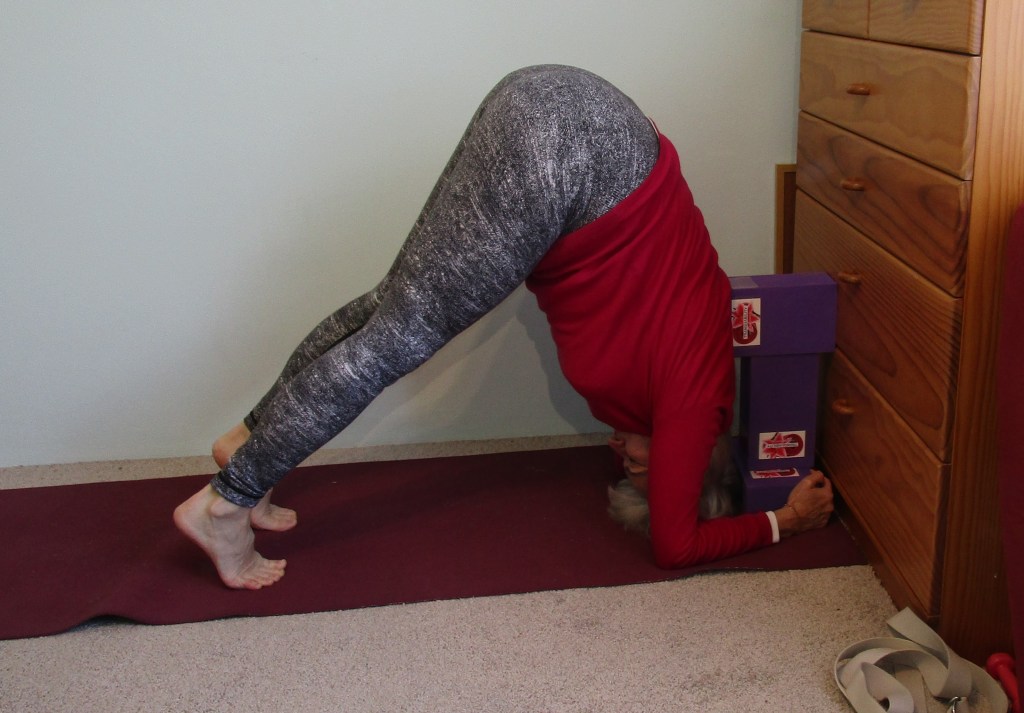
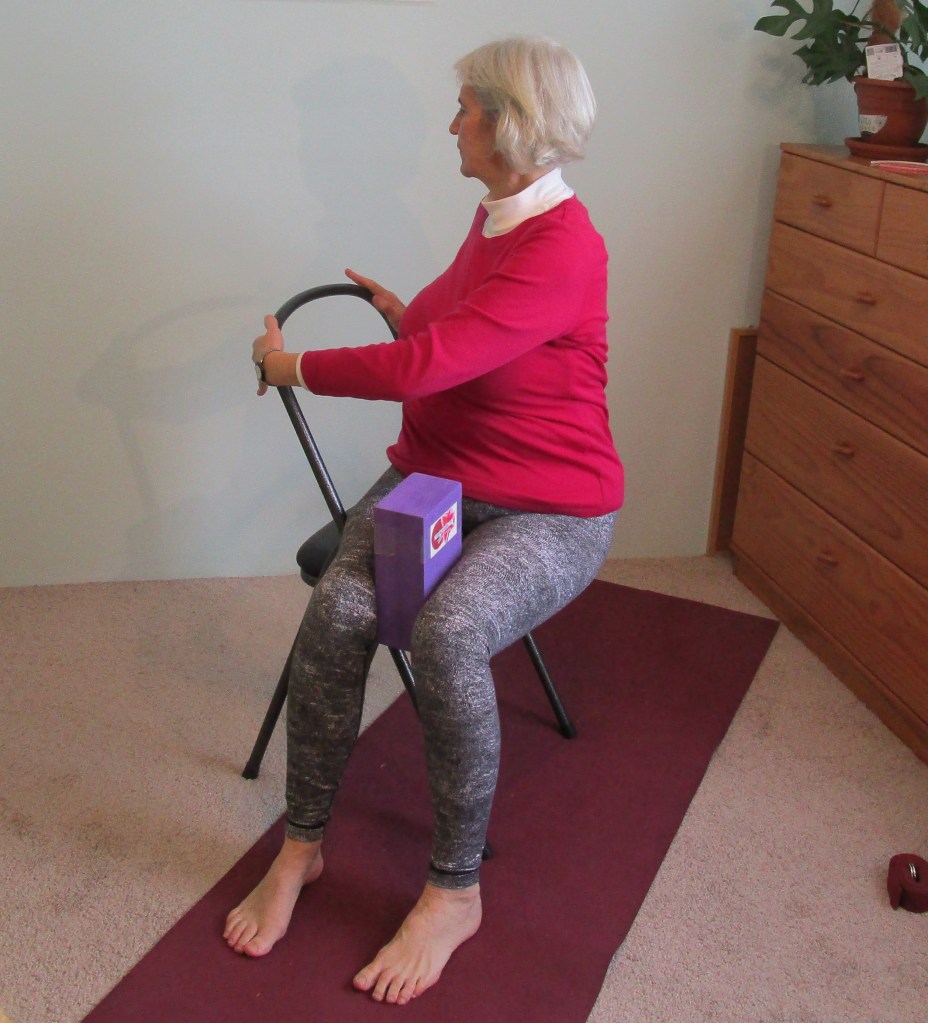


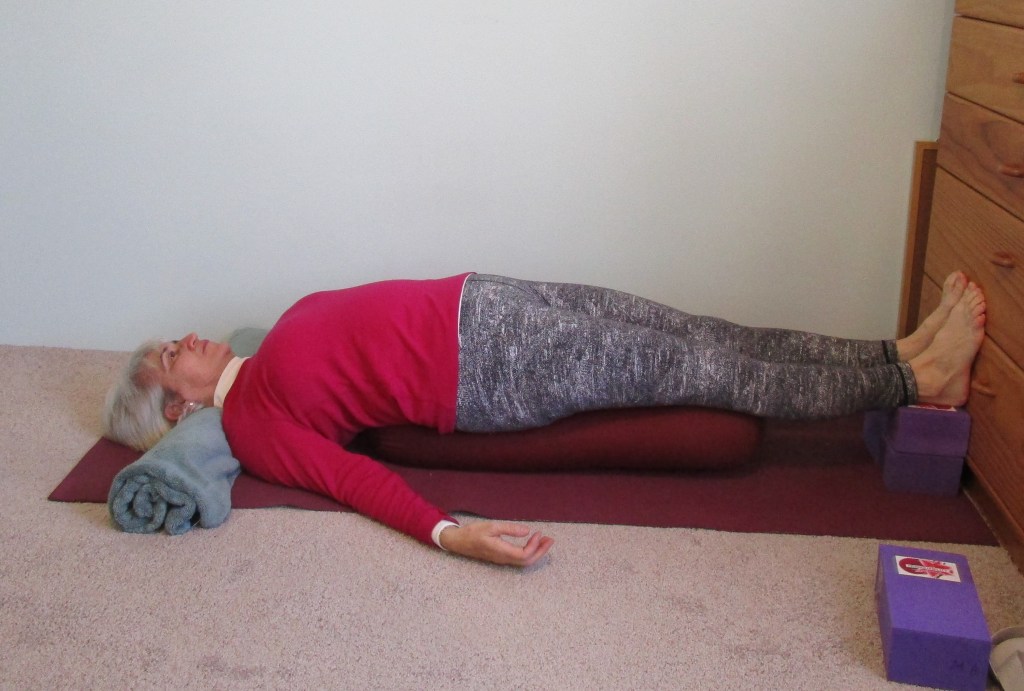


Enjoy your relaxation

 Tranquability